
Ola Leaf Manuscripts – Sri Lanka’s Palm-Leaf Literary Heritage
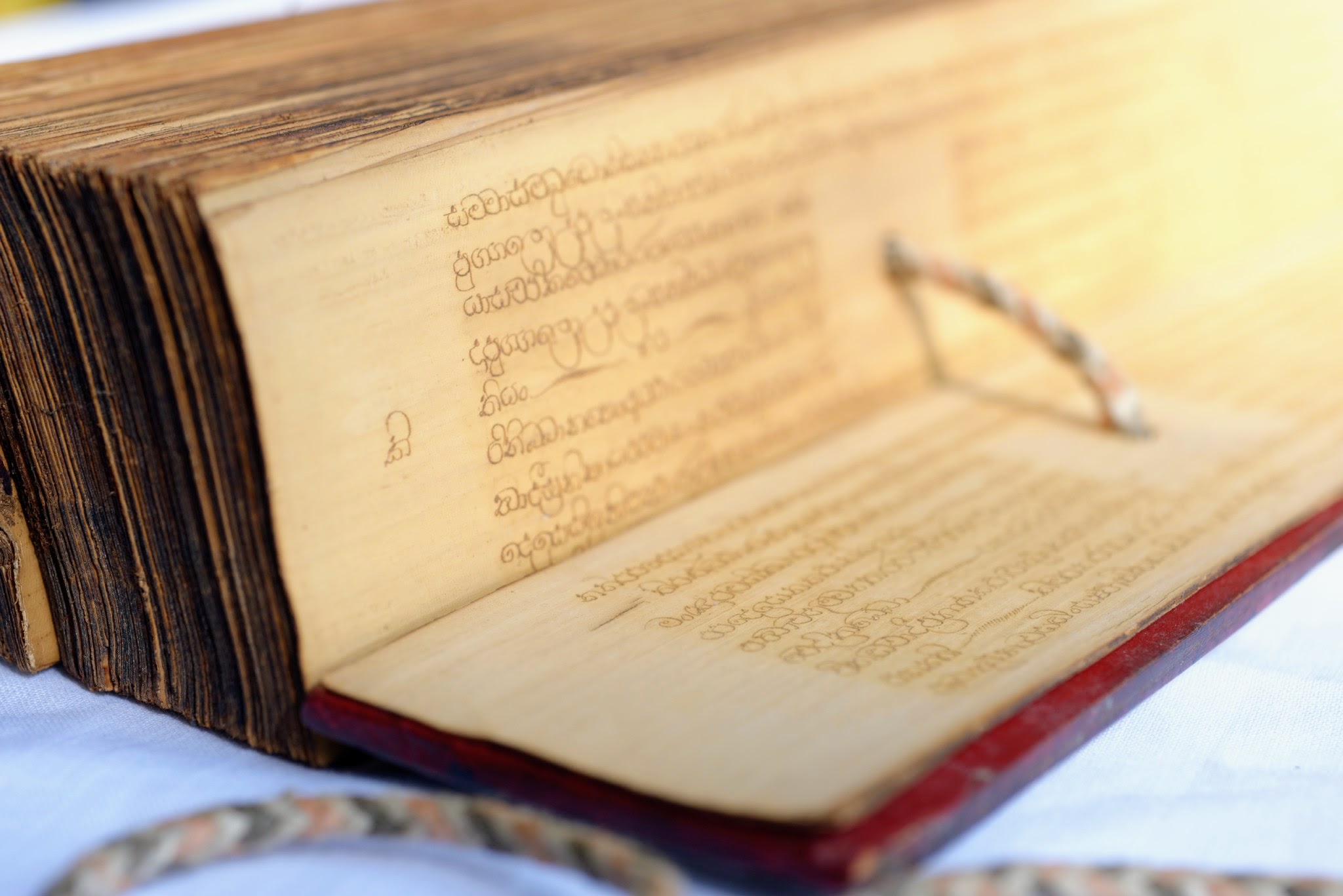
For over a millennium, the primary medium for preserving written knowledge in sri lanka was the ola leaf manuscript, crafted from the cured leaves of the corypha umbraculifera (talipot palm).
After harvesting, the leaves were boiled, dried, and polished to create a smooth yet durable writing surface. Scribes incised the text into the leaf with a fine metal stylus, then rubbed in a mixture of soot and oil to make the letters stand out against the pale golden background.
The Sinhala script, like other South Asian scripts, is dominated by rounded letter forms—a design choice believed to have developed specifically for this medium. Sharp angular strokes could split or weaken the leaf fibres, whereas curves allowed the stylus to glide without damaging the surface.
Texts inscribed on ola leaves ranged from Buddhist scriptures (Tripiṭaka) and commentaries to astrology, medicine, law codes, and poetry. The manuscripts were typically bound between two hardwood covers, sometimes lacquered or decorated, and secured with a cord through a central or offset hole. Stored in monastery libraries or temple repositories, they were read aloud during teaching, rituals, and festivals, ensuring the oral transmission of knowledge alongside the written record.
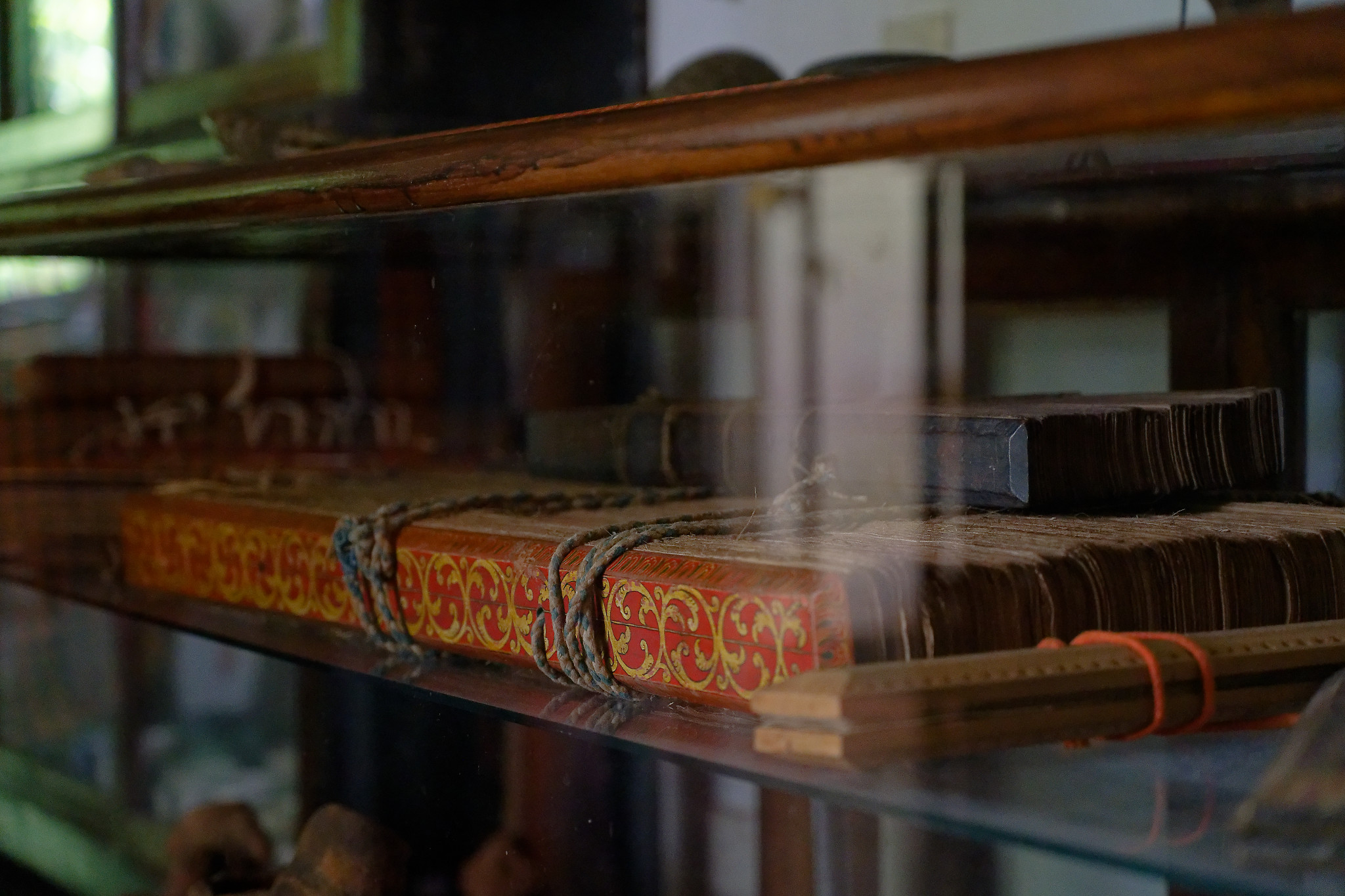
Ola leaf manuscript of the 555 Jātaka tales - Sri Lanka, late Kandyan period |- Inscribed in Sinhala script on polished talipot palm leaves and bound between hardwood covers, this complete set of the Buddha’s former-life stories is preserved in exceptional condition. Its clarity of script, even leaf preparation, and intact binding exemplify the highest standards of Sri Lankan scribal craftsmanship. © Janaka Samarakoon - Suriyakantha CAC Pvt Ltd.
Within this tradition, a complete cycle of the 555 Jātaka tales, such as the copy preserved in the Suriyakantha collection, represents a pinnacle of both literary and material achievement. The Jātakas—stories of the Buddha’s former lives—illustrate moral virtues and were integral to monastic education and public preaching. The Suriyakantha manuscript is remarkable for its superb state of preservation: the clarity of its incised script, the evenness of its leaf preparation, and the integrity of its binding offer a rare glimpse into the high standards of Sri Lankan scribal craftsmanship.
Today, ola leaf manuscripts stand as enduring witnesses to the island’s literary devotion, artistic ingenuity, and the interplay between oral tradition and written culture. Each surviving volume, whether modest or sumptuously decorated, is part of a continuum that once stretched from monastic scriptoria to village shrines—linking generations through the shared act of reading, hearing, and safeguarding the written word.
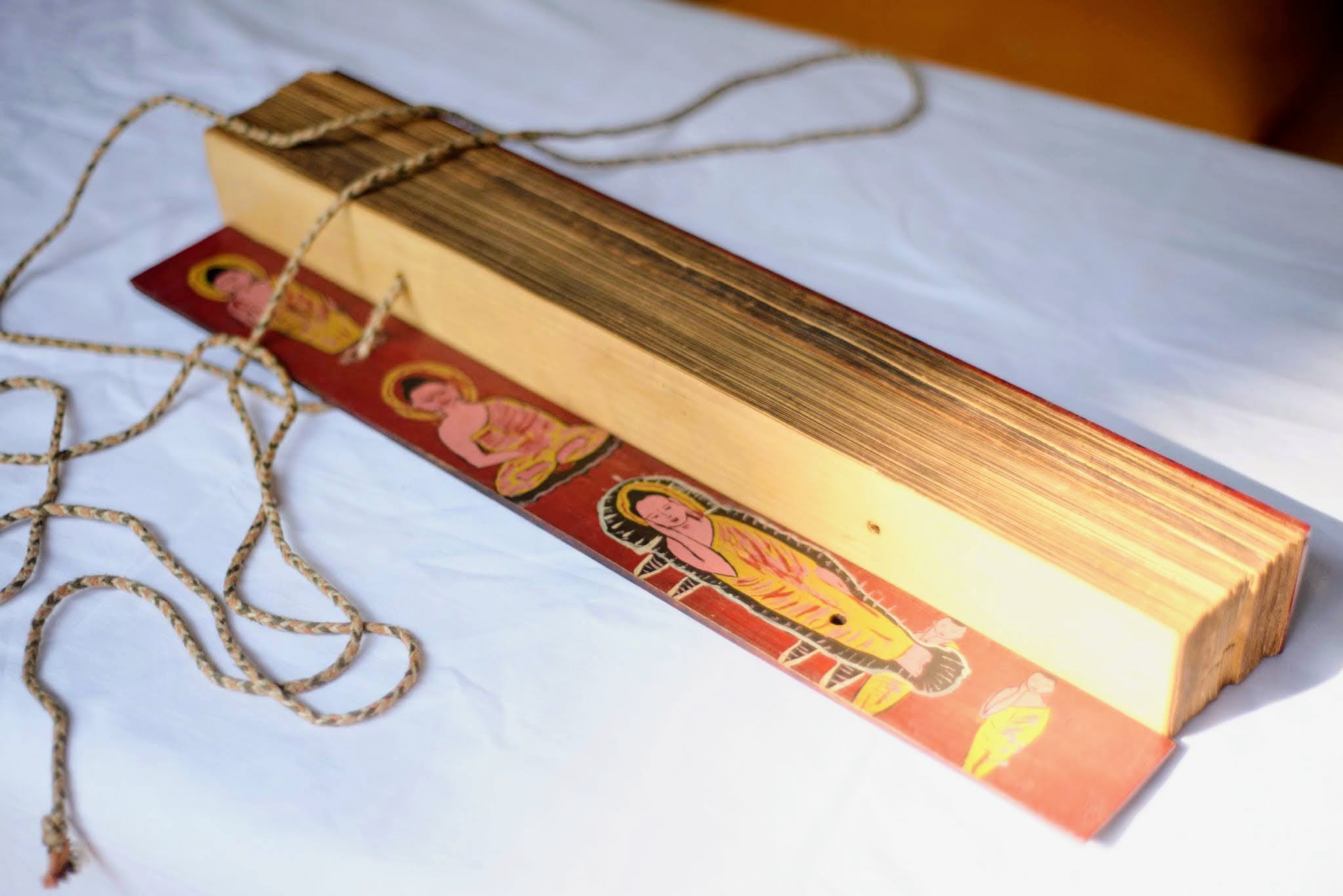
Ola Leaf Manuscripts © Janaka Samarakoon - Suriyakantha CAC Pvt Ltd.